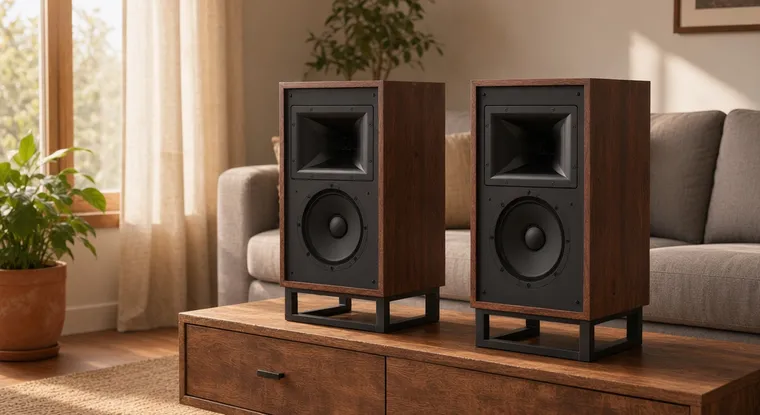
Klipsch Rebellion vs KEF LS50 Meta: What I'd Want to Hear
Klipsch's new Heritage bookshelf is 95 dB sensitive and $2,599 a pair. I own LS50 Metas, not Rebellions. Here are the specs, the amp question, and what I would actually listen for.
I have lived with the KEF LS50 Meta long enough to be honest about them, past the honeymoon and the review-week enthusiasm. Here is what that time taught me: what they do brilliantly, the one thing they demand in return, and whether I would buy them again.
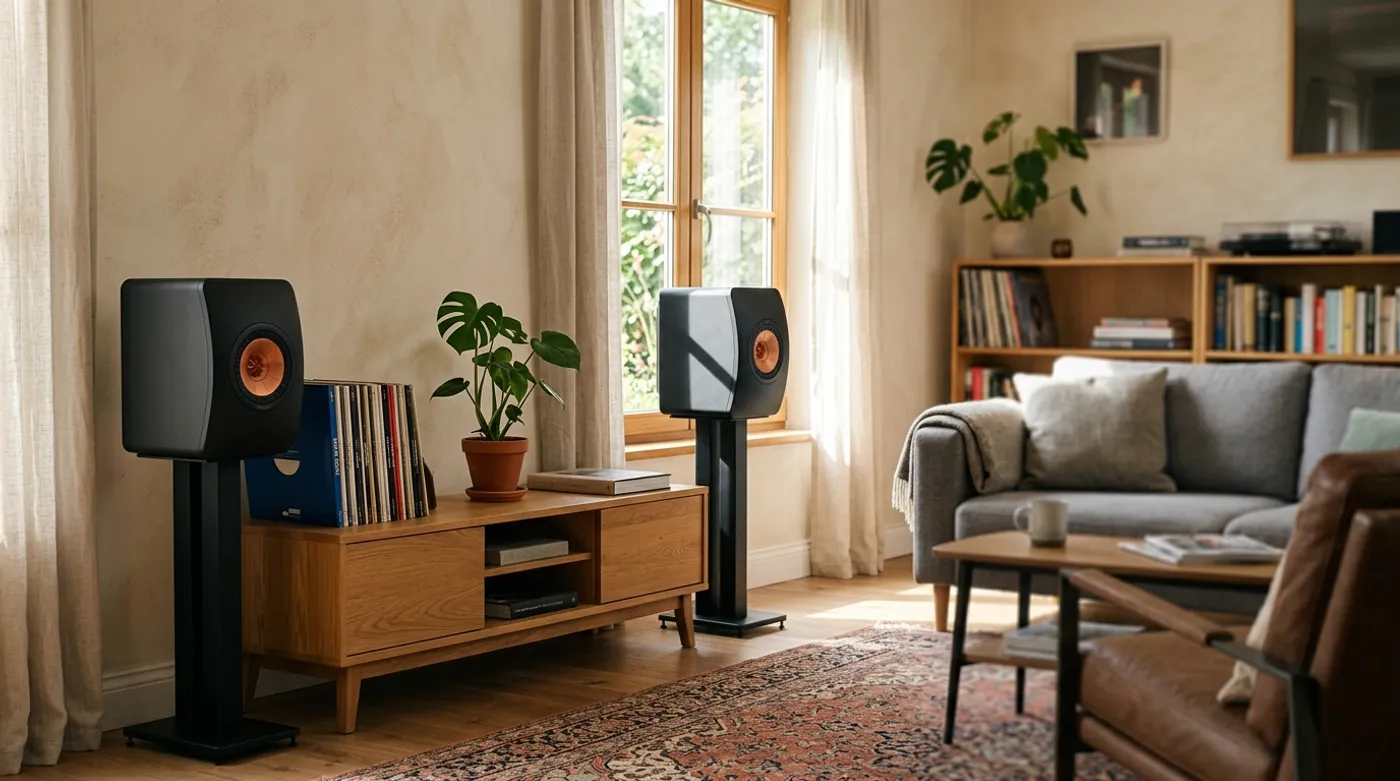
I have lived with the KEF LS50 Meta long enough to be honest about them, past the honeymoon and the review-week enthusiasm. Plenty of people can tell you how they sound on day one. I can tell you what they are like to actually own: what they do brilliantly, the one thing they demand in return, and whether I would buy them again.
The LS50 Meta’s party trick is coherence. The Uni-Q driver puts the tweeter in the acoustic center of the midrange cone, so the sound arrives as one piece rather than as separate drivers you can pick apart. Add KEF’s Metamaterial Absorption Technology, a maze-like structure that soaks up the tweeter’s rear output, and you get treble that is clean and detailed without the edge that makes lesser speakers fatiguing after an hour.
In practice, three things stand out after months of listening:
This is the one thing no LS50 Meta review should gloss over. At 85 dB sensitivity, with an impedance that dips toward 3.5 ohms in the bass, these speakers want current and headroom. Underpower them and they sound closed-in and polite, which is exactly how a superb speaker gets an unfair reputation for being thin or bright.
Feed them properly and they transform. So budget for the amplifier as part of the speaker, not as an afterthought. I have written separately about my own ongoing search for the right amp to drive them, because it turned out to be the hardest and most important part of getting the best from this pair.
It is also the problem KEF is trying to design away. Their LS LUXE puts 380 watts inside each cabinet and removes the amplifier decision entirely, which is either the answer or a different set of compromises depending on the room you actually have.
The LS50 Meta reaches lower than its size suggests, but it is still a standmount, and physics is physics. I run mine with a KEF KC62, and that pairing is what turns “wonderful small speaker” into “full-range system in a small footprint.” It is not mandatory, and a good pair in a small room can absolutely satisfy on their own. But if you are already in the KEF ecosystem, the synergy is real, and a little room correction makes the hand-off between speaker and sub genuinely seamless.
Buy them if you value imaging, detail, and coherence over sheer bass slam, if you listen in a small-to-medium room, and if you are willing to feed them a proper amplifier. Look elsewhere if you want effortless volume in a large room on modest power, or if you want big, room-filling bass and have no interest in adding a subwoofer.
Yes, without much hesitation, and with one honest caveat: I would buy the amplifier with more care than I bought the speakers. Even while I keep chasing the right amp for them, the LS50 Meta has never been the weak link in my system. It is the fixed point I judge everything else against, which is about the highest compliment I can pay a speaker at this price.
Klipsch's new Heritage bookshelf is 95 dB sensitive and $2,599 a pair. I own LS50 Metas, not Rebellions. Here are the specs, the amp question, and what I would actually listen for.
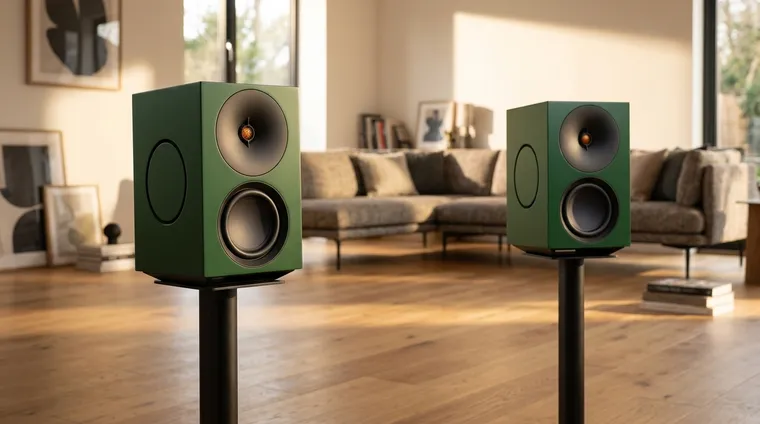
$2,399 Cambridge Audio L/R X with 400W per speaker, HDMI eARC, and a phono stage. Specs and what early reviewers heard; I have not heard these first-hand.
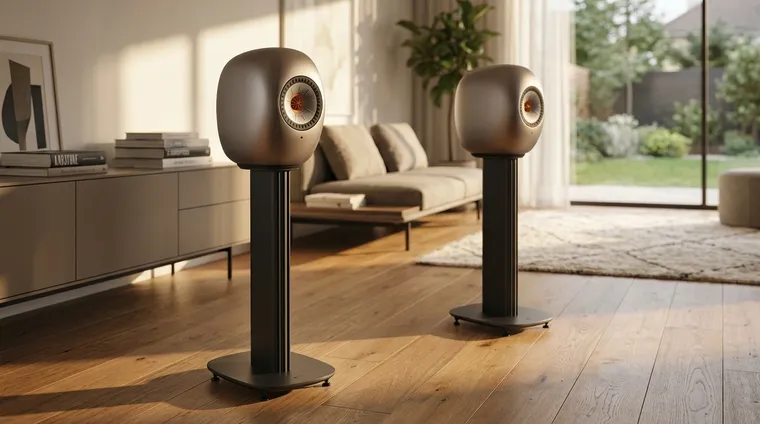
KEF LS LUXE is $3,999.99 a pair. Specs, how it compares on paper to the $5,999.99 LS60 Wireless, and why I think it is aimed at the room you actually live in. I have not heard them.