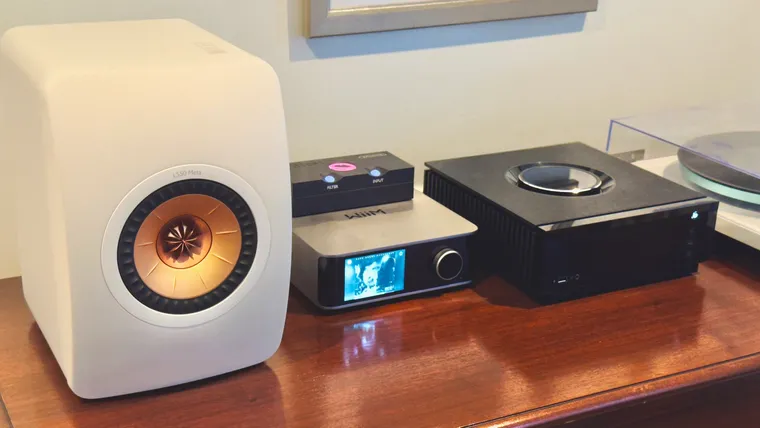
Where Your Next $500 Actually Matters in a Hi-Fi System
Honest ranking of a $500 hi-fi upgrade: speakers, placement, and room correction first; amps next; DACs, cables, isolation, and power last. Scored against gear I have heard.
Bose's McIntosh acquisition: a strategic move into the audiophile, Bose, McIntosh, and hi-fi market. Discover the impact on luxury audio.
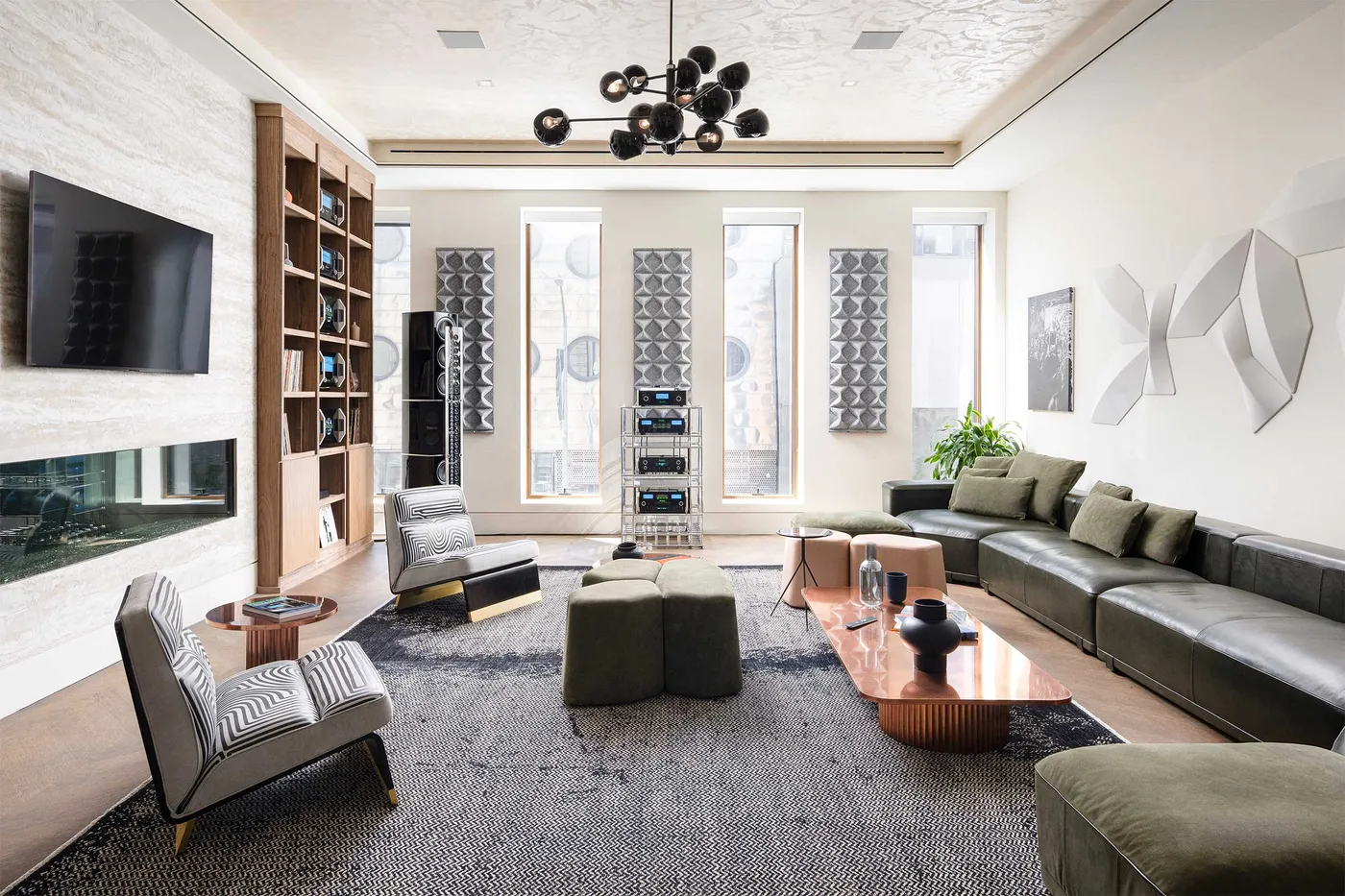
The announcement that Bose Corporation has acquired McIntosh Laboratory is more than just a corporate headline, it’s a strategic pivot that could redefine the audio industry. Bose, long a household name for accessible and innovative audio products, is stepping into uncharted territory: the high-end audiophile market.
Why would a company that thrives on mass-market appeal decide to dive into the niche world of audiophiles? Let’s explore the strategic motivations behind this move, the synergies it could create, and what it means for the broader audio landscape.

(Image credits: Bose)
Bose’s entry into the high-end segment with McIntosh isn’t just about diversifying its portfolio, it’s about staying ahead in a changing industry. Here are the key strategic motivations:
The Bose-McIntosh partnership has the potential to create a new class of audio products that blend the strengths of both brands. Here’s how the two companies could complement each other:
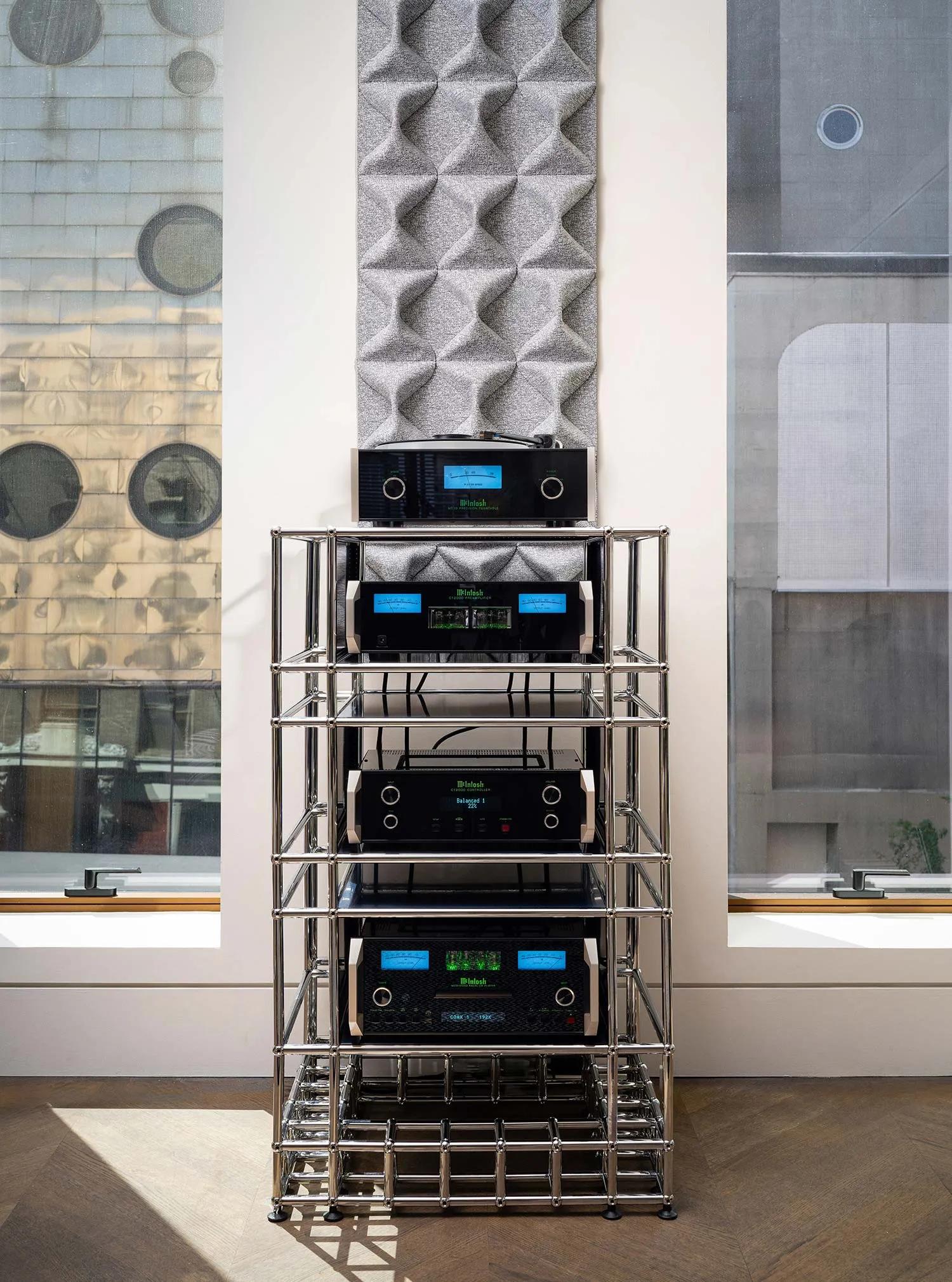
(Image credits: McIntosh Group)
Bose’s acquisition of McIntosh reflects a larger industry trend. Mainstream audio companies are increasingly eyeing the high-end segment as a way to diversify and meet changing consumer expectations.
Shifting Consumer Preferences: As streaming platforms improve sound quality, more consumers are prioritizing audio fidelity.
Luxury Tech Boom: High-end audio equipment is becoming a lifestyle product, much like luxury watches or cars.
Market Saturation in Mainstream Audio: With stiff competition in the mid-range market, brands are looking for new growth opportunities.
Bose won’t be the only company to make this move. Other players are likely to follow suit:
Sony could acquire boutique brands to enhance its Signature Series.
Apple might target companies like Naim or Devialet to bolster its premium HomePod lineup.
JBL could leverage its professional audio expertise to tap into the high-end consumer market.
This trend has implications beyond acquisitions. As competition heats up, we can expect brands to push boundaries in innovation, creating products that deliver both audiophile-grade quality and everyday usability.
This acquisition is a bold move for Bose, but it’s not without risks. Maintaining McIntosh’s legacy while integrating it into a mass-market company will be a delicate balancing act. Success will depend on Bose’s ability to:
For McIntosh, this partnership could mean unprecedented growth and modernization, if Bose plays its cards right.
The Bose-McIntosh deal is more than a business transaction; it’s a signal that the audio industry is evolving. By targeting the high-end audiophile market, Bose is stepping into new territory, one where innovation, exclusivity, and craftsmanship take center stage.
As other companies watch this move closely, one thing is clear: the future of audio is about more than just sound, it’s about creating experiences that resonate with every listener, from casual fans to hardcore audiophiles chasing their endgame system. With Bose and McIntosh leading the charge, the best may be yet to come.
(Image credits: McIntosh Group)
Honest ranking of a $500 hi-fi upgrade: speakers, placement, and room correction first; amps next; DACs, cables, isolation, and power last. Scored against gear I have heard.
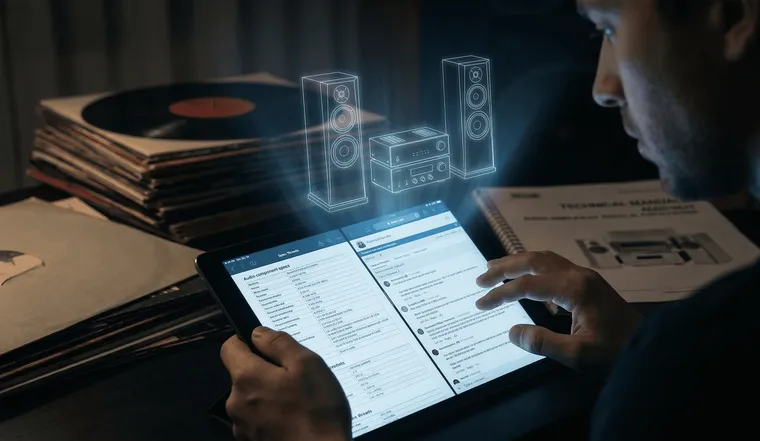
What does endgame actually mean in hi-fi? Ask any audiophile about their endgame system and watch what happens. There's a pause. Maybe a small laugh. Here's the real answer, and how to know when you've arrived.