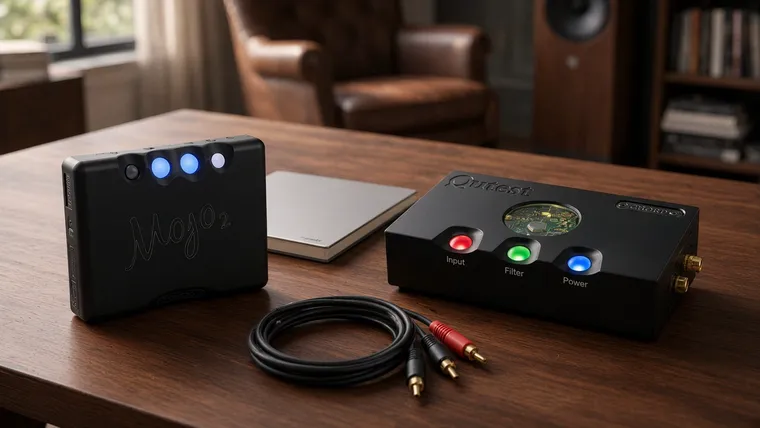
Best DACs in 2026
Heard: Chord Mojo 2 and Qutest. Researched: RME ADI-2 DAC FS, a simple RCA box, a mixed-source Cambridge, and Apple's USB-C adapter. A 2026 DAC guide labeled so you know what I have actually heard.
Same DAC heart, two very different tools. One is a self-contained portable system; the other is a desktop DAC that asks you to build around it.
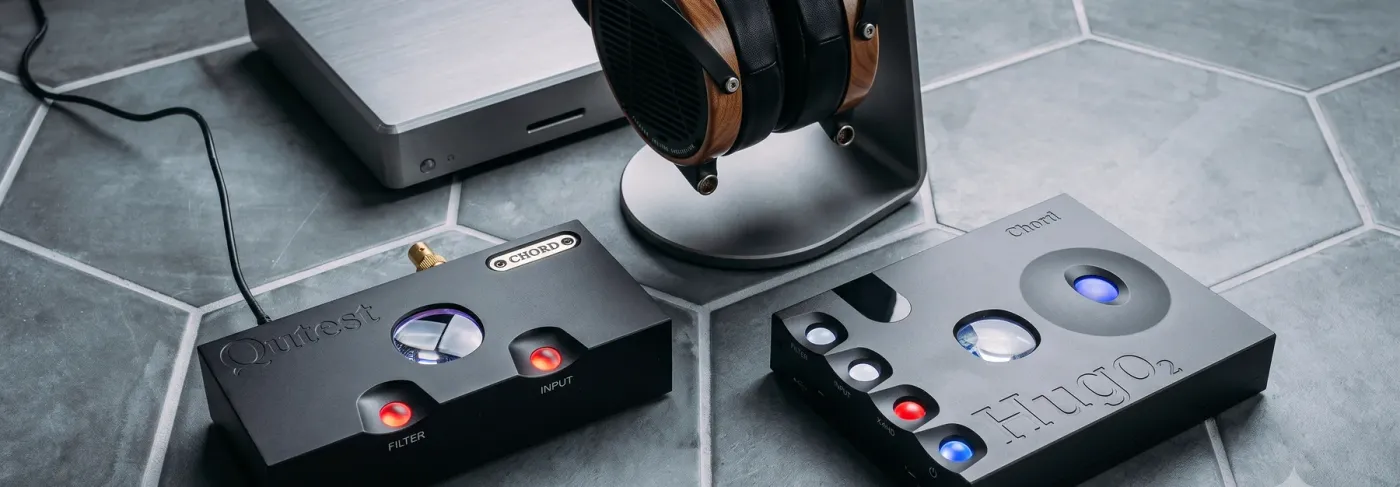
This is one of the most common questions from people climbing the Chord ladder, and it trips a lot of buyers up because the two devices sound like close cousins but function completely differently. They’re not just similar, the Qutest is essentially the Hugo 2’s DAC section in a desktop box, sharing the same 49,152-tap filter and 10-element Pulse Array. So the choice isn’t really “which sounds better”, it’s “which one fits how you actually listen.” For my long-form take on the Qutest specifically, see my Chord Qutest review.
The Qutest does one job and does it superbly: digital-to-analog conversion. It has no headphone amplifier, no battery, no Bluetooth. It expects to sit on a desk, fed by a source and feeding an amplifier, with a handy selectable output (1V / 2V / 3V) so it matches whatever preamp or amp follows it. That focus is the point: every dollar goes into the conversion, which is why it punches so far above its weight as a pure DAC.
The trade-off: it’s only one piece of a system. You need an amp (ideally a good one, I run mine with the Chord Anni) to hear what it can do.
The Hugo 2 is a different animal. It’s a portable DAC plus a serious Class A headphone amplifier plus a battery plus Bluetooth, a complete listening system you can use on the go or as a desk centerpiece, driving headphones directly with no extra boxes. It carries two headphone outputs (1/4” and 1/8”) and dual RCA outs, and its 2x Li-ion batteries give 7+ hours of playback (about a 4-hour recharge).
It costs meaningfully more, $2,695 vs the Qutest’s $1,895 in the US, roughly an $800 premium, and that gap pays for the amp stage, battery, and portability the Qutest deliberately leaves out.
Pick the Qutest if:
Pick the Hugo 2 if:
Because the DAC core is the same, you’re not really choosing a sound, you’re choosing a form factor. If you’re building a desktop system with a separate amp, the Qutest is the smarter spend: you’re not paying $800 for a headphone amp and battery you won’t use. If you want a single, grab-and-go, drives-anything box, the Hugo 2 earns its premium. Neither is “better”; they’re aimed at different listeners.
Still deciding within the more affordable end of the lineup? Compare the desktop Qutest against the portable Mojo 2 in Chord Qutest vs Mojo 2.
Heard: Chord Mojo 2 and Qutest. Researched: RME ADI-2 DAC FS, a simple RCA box, a mixed-source Cambridge, and Apple's USB-C adapter. A 2026 DAC guide labeled so you know what I have actually heard.
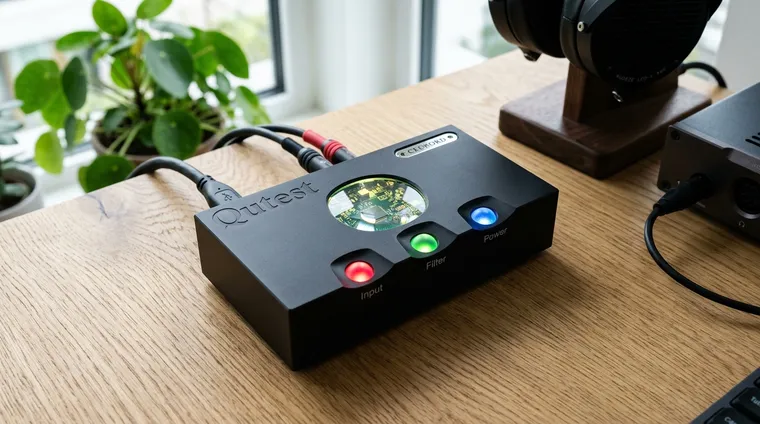
A Chord owner's guide to the whole DAC lineup in 2026, from the portable Mojo 2 to the flagship DAVE. What makes a Chord a Chord, current prices, and which one actually fits your system.
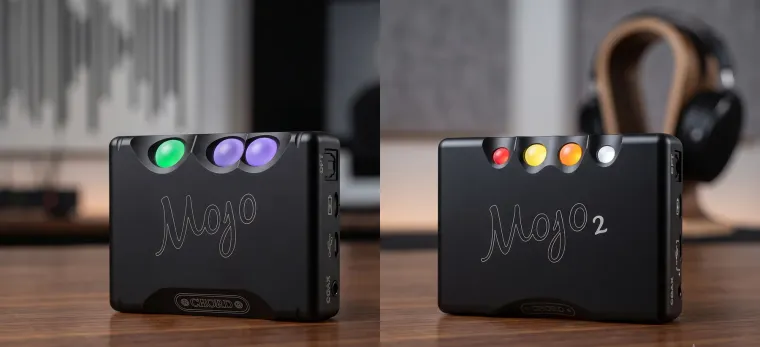
Is the Chord Mojo 2 worth it over the original Mojo? Here's what changed, the DSP EQ, the connectors, the battery, the sound, and whether the upgrade is worth it for you.